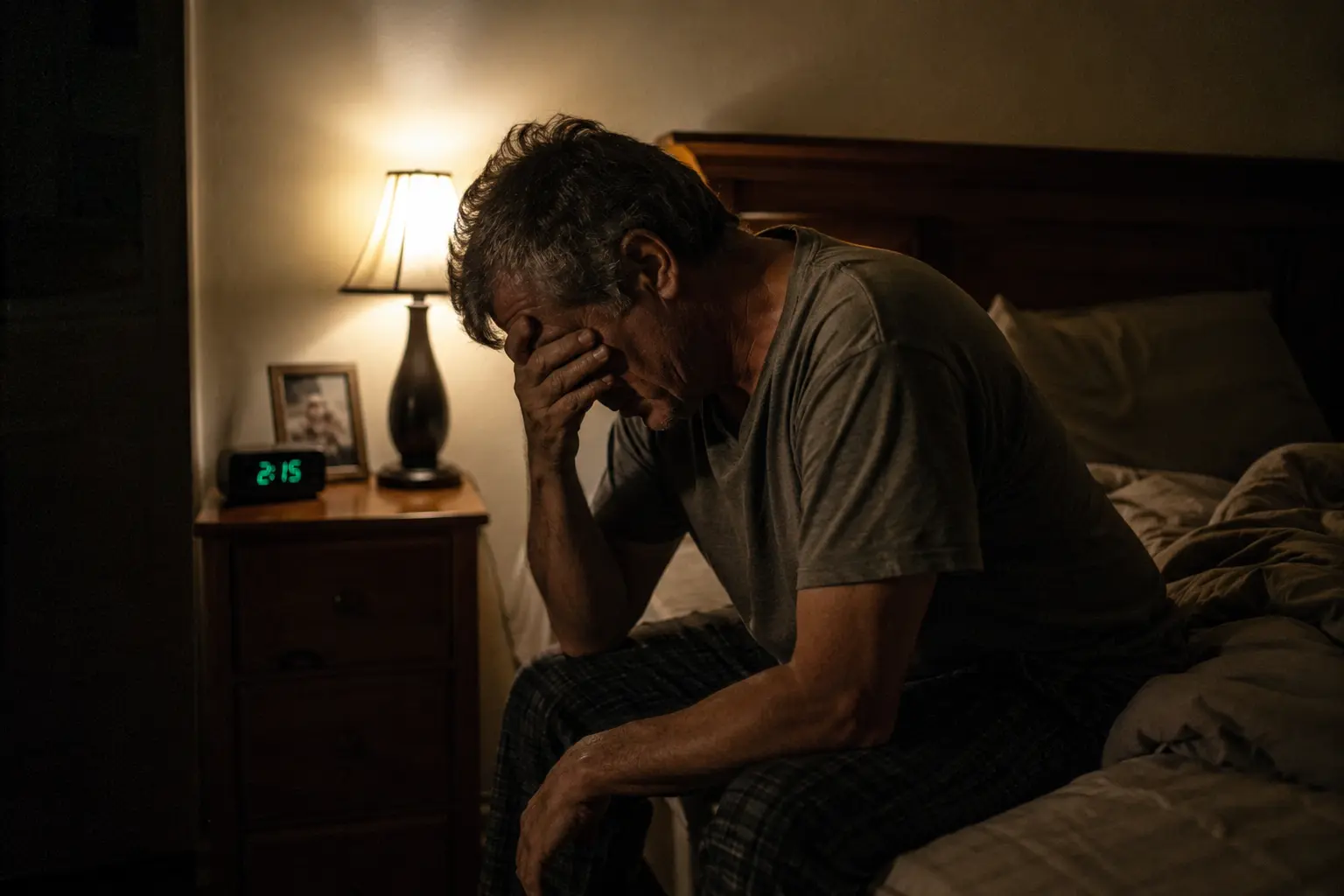
It was 2:15 in the morning and I was standing in my bathroom in the dark, waiting.
If you’re a man over 50, you probably know exactly what I mean by “waiting.” You feel like you have to go. Badly. You got out of a warm bed for this. And then you stand there while almost nothing happens, and what does happen comes out in a weak dribble that takes forever.
That was my third trip of the night. I knew it was 2:15 because I’d started checking the clock every time, like I was keeping score in a game I kept losing.
Behind me, through the door, I heard my wife Linda roll over and sigh. She never complained. But after 34 years of marriage you know what a sigh means.
I’m 62. Retired machinist, two grandkids, a bass boat I bought the year I stopped working. And for almost three years, my whole life had quietly shrunk down to one question: where’s the nearest bathroom?
How bad it got before I admitted it was bad
I want to be honest about this part, because nobody talks about it, and the silence is half the problem.
I stopped drinking anything after 6 PM. Not just coffee. Water. I’d go to bed thirsty on purpose.
I knew the bathroom situation at every restaurant in town. Cracker Barrel, good. The diner on Route 9, you have to ask for a key, so I stopped going.
Last spring my son invited me on a camping trip with my grandson Caleb. Three days fishing on the lake, sleeping in tents. The kind of trip I’d dreamed about since the day he was born. I made up an excuse about my back.
The real reason? A tent. In the woods. At night. With my bladder. I couldn’t face it.
I tried what everyone tries. Cranberry pills. Cutting caffeine. A “prostate support” bottle from the drugstore shelf that cost twelve bucks and did exactly twelve bucks’ worth of nothing. I gave it two months. I might as well have been swallowing breath mints.
Linda finally booked the urologist appointment herself. She handed me the appointment card at breakfast and said, “You’re going. I miss sleeping.”
The drawing that changed how I understood everything
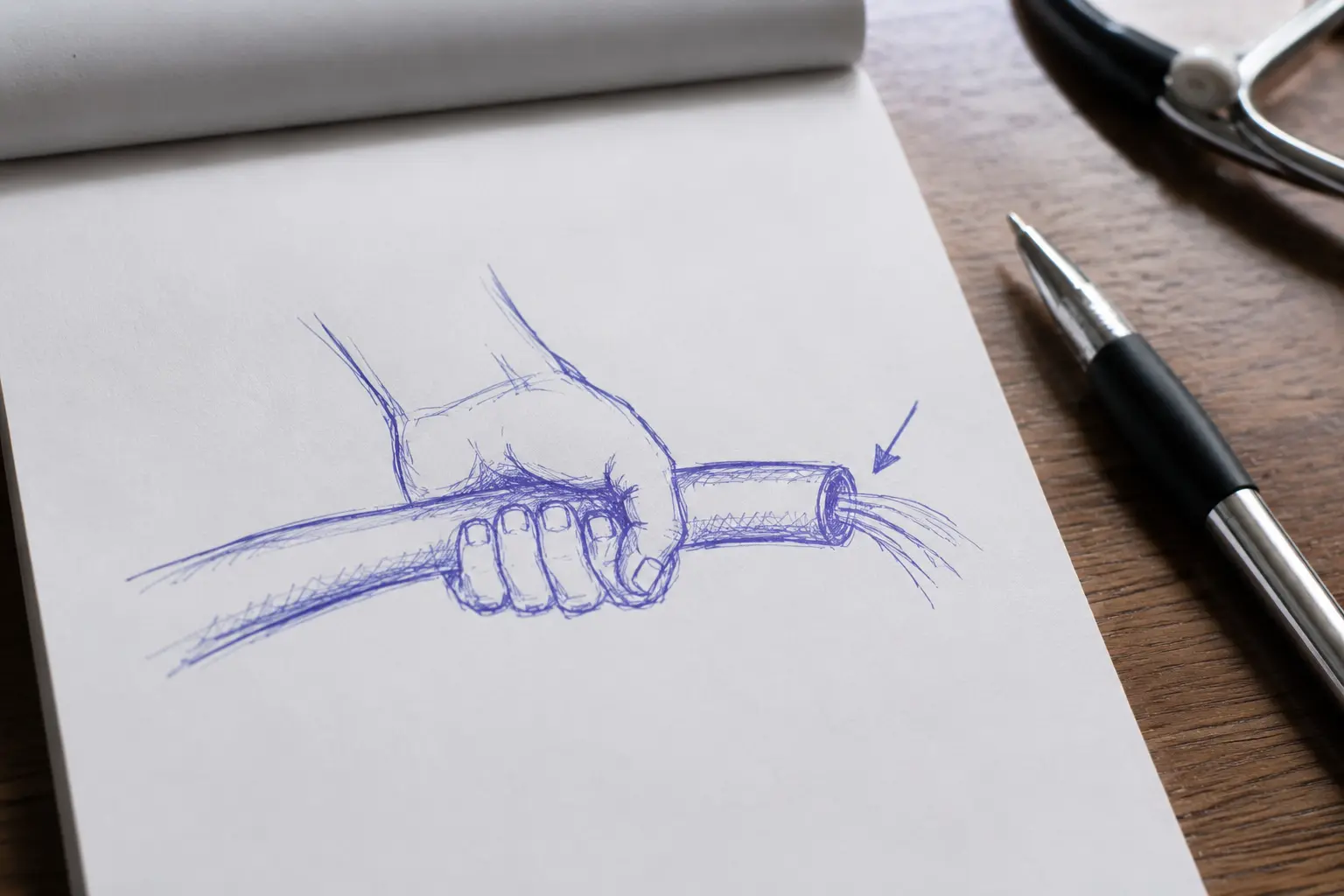
Dr. M. is younger than my son, which I’ve decided to stop holding against doctors. After the exam and some questions, he pulled out a notepad and started drawing.
“Think of your urethra as a garden hose. Your prostate sits around it like a fist. Right now, that fist is squeezing.”
Okay, I said. So why is it squeezing? I’m not doing anything different than I was at 45.
And this is the part nobody had ever explained to me. Not in any pamphlet, not in any commercial.
He said the prostate responds to a hormone called DHT. It’s made from testosterone, by an enzyme that converts a portion of it. When we’re young, DHT does its job and moves on. But as men age, DHT tends to accumulate in prostate tissue. And the prostate never stops listening to it.
“Most tissue in your body knows when to stop growing,” he told me. “The prostate keeps responding to that DHT signal for as long as the signal is there. That’s why this creeps up on men in their 50s and 60s. The signal never got turned off.”
I sat there kind of stunned. Three years of blaming my bladder, my age, my coffee. And the whole time it was a hormone I’d never even heard of, quietly telling my prostate to keep pressing on that hose.
The option I didn’t take
Dr. M. said there are prescription medications that work on that same hormonal pathway. He also did something I respected: he told me the downsides without my having to ask.
A meaningful number of men on those medications report sexual side effects. Lower libido. Problems performing. Some men shrug it off. Others quit the pills because of it.
I’m 62, not 92. Linda and I… let’s just say that part of our life is not something I was ready to gamble with.
I told him I wanted to think about it. He said that was reasonable, that my case wasn’t urgent, and that some men look into natural compounds first. He wasn’t dismissive about it either, which surprised me. He just said, “Whatever you do, the mechanism matters. Look for things that have actually been studied on that pathway.”
Linda, who had been quietly taking notes the whole appointment (34 years, remember), went home and did what she does. She found the research that led us to what I take now. But I’m getting ahead of myself.
What my wife found at the kitchen table
Linda spent about a week with her reading glasses on, going down a rabbit hole of actual published studies. Not blog posts. Journal papers, the kind with authors and dates.
What she found was that researchers have been studying natural compounds on this exact DHT pathway for decades. Three plant extracts kept showing up over and over:
Saw palmetto. A palm berry extract. Studied in journals going back to the 1990s for its activity related to that same enzyme that produces DHT.
Stinging nettle root. Sounds like something a witch would sell you. It’s been examined in published research for its role in prostate symptom management.
Pygeum africanum. Bark extract from an African tree, studied in multiple clinical papers on urinary symptoms in aging men.
Alongside those, she kept finding research on lycopene (the tomato antioxidant), grape seed extract, pumpkin seed, boron, and vitamins E and B6. Different mechanism, those ones. They’ve been studied for oxidative stress in prostate tissue, which is the other half of the picture as men age.
Here’s the thing that mattered, though. The drugstore bottle I’d wasted two months on? It had saw palmetto in it. One ingredient, who knows what quality, and none of the rest. The research Linda kept finding looked at these compounds for their distinct, complementary roles. One cheap ingredient by itself was never the approach the science pointed to.
So she went looking for a formula that actually combined them. That’s how we found UroFlow, which puts all nine of those researched ingredients in one capsule, made in the US in an FDA-registered, GMP-certified facility.
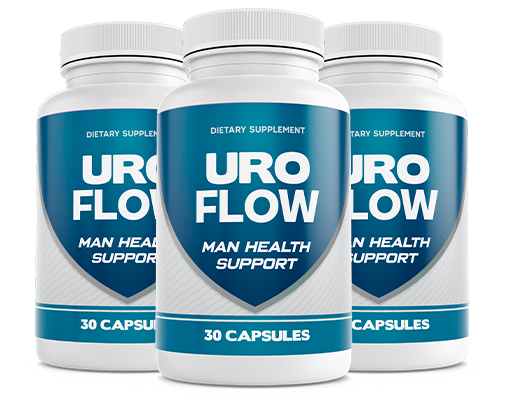
I’ll be straight with you: I was skeptical. I’d been burned by the twelve-dollar bottle. But the company offers a 60-day money-back guarantee, and Linda pointed out that the drugstore never offered to refund my wasted two months. Fair point.
What actually happened (the honest version)
Week one: nothing. I want you to know that, because any product that claims overnight results for a problem that took a decade to build is lying to you.
Around week three, I noticed I’d only been up twice the night before. Then it happened again. I started keeping score in the other direction.
By week eight, I had my first full night of sleep in I genuinely don’t know how long. I woke up at 6:40 in the morning and my first thought was that something must be wrong.
It’s been five months now. Most nights I’m up once, sometimes not at all. The stream situation, which I won’t describe in detail because we’re both adults here, is noticeably better. I drink water with dinner like a normal human being.
But here’s the result that actually matters. In June, I called my son and asked if that camping trip was still on the table. We took Caleb to the lake for three days. I slept in a tent, in the woods, and it was fine. Better than fine.
Linda sleeps through the night now too. She mentions it about once a week, usually with a smile that suggests I should have gone to the doctor two years sooner. She’s right.
(I should say it plainly: this is my experience. Results vary from man to man, and a supplement supports normal function — it’s not a treatment for any medical condition. If your symptoms are severe, see a urologist first. I did, and I’m glad.)
Why I bought six bottles, not one
When I ordered, the options were 2, 3, or 6 bottles. I asked Dr. M. about it at my follow-up, actually. His answer stuck with me: hormonal signaling doesn’t change in 30 days. The published studies on these compounds generally ran 90 to 180 days. Anything less is basically a coin flip against a process that took years to develop.
Five months in, it’s the best money I’ve spent since the bass boat.
They run out of the 6-bottle packages from time to time (I assume articles like this one don’t help), so if the full supply is in stock, that’s the one I’d grab.
One last thing. If you’re standing in your bathroom at 3 AM reading this on your phone, waiting — I see you, brother. It’s not your age. It’s not your bladder. And it’s not something you just have to live with. That’s the one thing I wish someone had told me three years earlier.
— Tom R.